What we’re learning in real environments
We’re testing a simple idea:
If you introduce a small moment of intention into everyday environments, will people actually engage with it?
Not in theory.
In real life.
How we’re testing
We’re running a series of small, live tests across different settings:
Focus groups
Surveys
Wellness events
Gyms and training environments
Everyday social settings
No scripts.
No forced participation.
Just placing it into the environment and observing what happens.
What we look for
We’re not just asking if people “like it.”
We’re watching for behavior:
Do people pause before drinking?
Do they engage with the word or ignore it?
Does it create conversation or shared moments?
Do people come back to it more than once?
This is about what people do, not what they say.
Focus Groups Surveys
Exploring how people relate to water, daily rituals, and small moments of awareness
83%
Purchase Likelihood Average rating out of 10 for intent to try or purchase
2/3rds
Of respondents already see Water as a mindful moment
$3-5
Expected Price Range Most common price respondents would pay per can
78%
Daily hydration ritual concept resonates deeply
The Emotional Language of Water
Beyond mere hydration, respondents describe profound emotional and spiritual connections to drinking water, transforming a simple act into a ritual of wellbeing.
Vibrancy - A sense of aliveness and sustained energy throughout the day.
Appreciation & Rebirth - A deeply felt reset, revitalizing the entire being.
Nourishment - Replenishing essential needs, a true source of revitalization.
Clarity - A medium that clears the mind and enhances overall wellbeing.
Presence - Encouraging a slowing down, a moment of gratitude and mindfulness.
Thirst-Quenching - Satisfying not just a physical need, but a holistic sense of wellness.
“Appreciation, a re-birth and reset to my entire being.”
What happened at the Yearn
One of our early tests took place at The Yearn, a multi-day gathering designed to reconnect people to themselves and each other. Through shared experiences, meals, music, and moments of play, it creates space for joy, expression, and deeper connection. The environment, built around openness and presence, made it a natural setting to observe how people engage with small moments of intention.
We didn’t know if people would pause. If they’d breathe. If a simple ritual could shift a room of 200
200
People experienced the practice
87%
Scanned their bottle
34%
Engaged multiple times
92%
Said it shifted their state
“I didn’t expect it to actually change how I felt. But it did.”
-Sarah, retreat participant
“ Its the pause I needed but didn’t know how to take”
-Marcus, yoga instructor
“Simple. Honest. Exactly what wellness should be.”
-Alex, gym owner

What we found
Across early tests, a few patterns are emerging:
People actually Paused
We worried the ritual would feel forced. It didn't. 87% of participants scanned their bottle and took the time. Most said it felt natural, not performative.
Context matters
The practice worked best in transition moments-after yoga, before meals, between sessions. People sought it out when they needed to shift.
Repeat engagement was high
Over a third of people came back to the practice multiple times throughout the event. This wasn't a novelty. It became a tool.
The word mattered
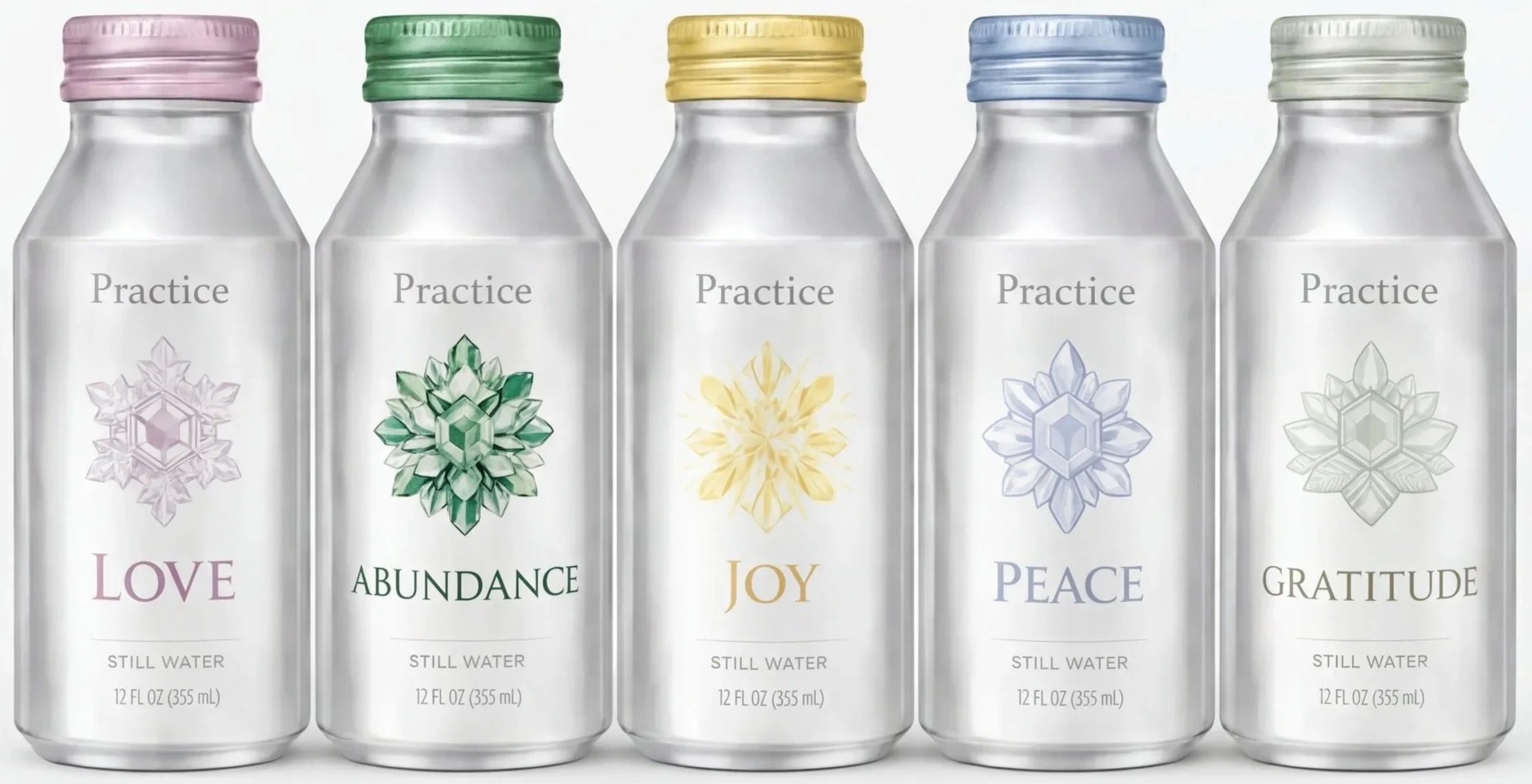
Love was the SKU we brought. Many said holding that specific word changed the experience. It gave the pause direction.
Men were just as engaged as women
What surprised us
People shared it with others without prompting
Simplicity works better than explanation.
The ritual felt more powerful in groups
What’s next
We’re bringing this into more consistent environments:
Gyms
Yoga studios
Smaller group setting
The goal is to see what holds when this becomes part of a routine, not just a moment
"This wasn't about proving we were right. It was about learning what to build next."
1 Testing multiple SKUs (Gratitude, Joy) at next pilot
2 Aluminum bottle vs a can
3 Exploring still vs sparkling preference
4 Documenting how different environments affect the practice
Why this works
You remove dependency on “Yearn” as a known entity
You elevate the thinking (this feels like a real testing methodology)
You still include Yearn as proof, just not as the headline
Investors and operators will read this and think: “they’re actually observing behavior, not guessing”